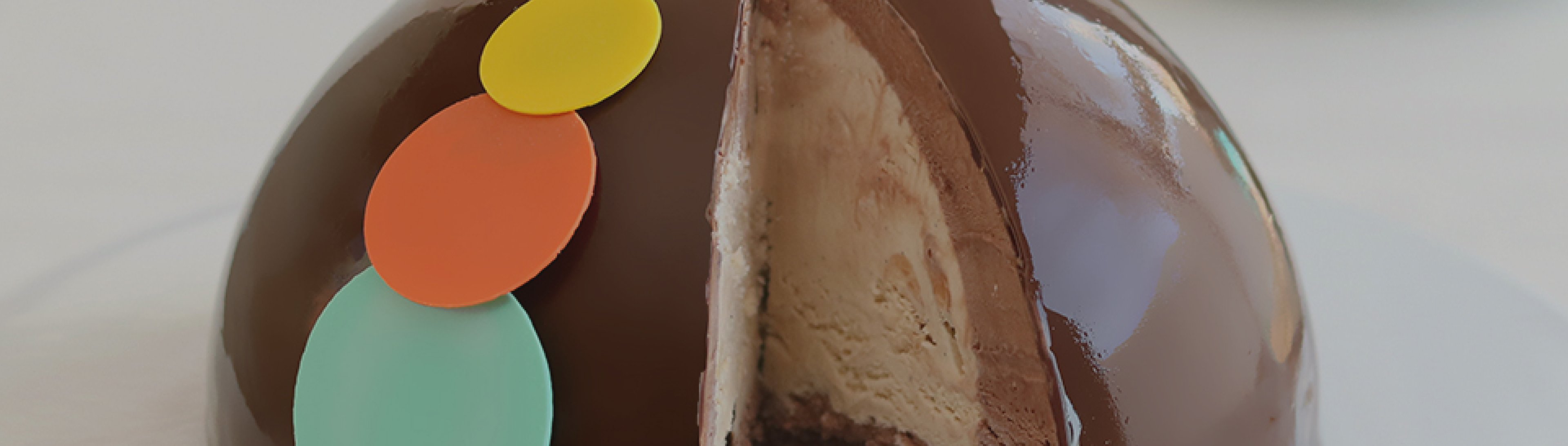
Botolino founder Carlo “Botolo” Gattini — a native of Milan who was raised on his family’s farm in Tuscany — was born to make gelato
His grandmother, Fernanda Gosetti, began her career serving gelato in her own latteria (dairy shop) in Emilia-Romagna. Years later, she revived and edited the iconic culinary magazine La Cucina Italiana with her sisters and authored so many cookbooks that she became known as the Julia Child of Italy. She was the one who taught Carlo to cook and to make pastries.
When Carlo was 15, he and his family left their Tuscan farm and settled in Dallas, Texas, where his father opened MoMo Italian Kitchen — one of the city’s first truly serious Italian restaurants. For more than 30 years, Carlo worked alongside his father, bringing guests the authentic and honest flavors of his homeland. All the while, he kept alive the idea that one day he would open a gelateria of his own.
When the family sold MoMo in 2016, Carlo finally took the leap. He returned to Italy to study: first at Carpigiani Gelato University in Bologna, and then apprenticing with a master gelatiere. After learning the traditions, techniques, and science behind exceptional gelato, he came back to Dallas and opened the first Botolino, on Lower Greenville Avenue, in 2017.
Today, the Greenville shop remains Botolino’s flagship, and the business has grown to include locations in North Dallas, the Bishop Arts District, and Plano.
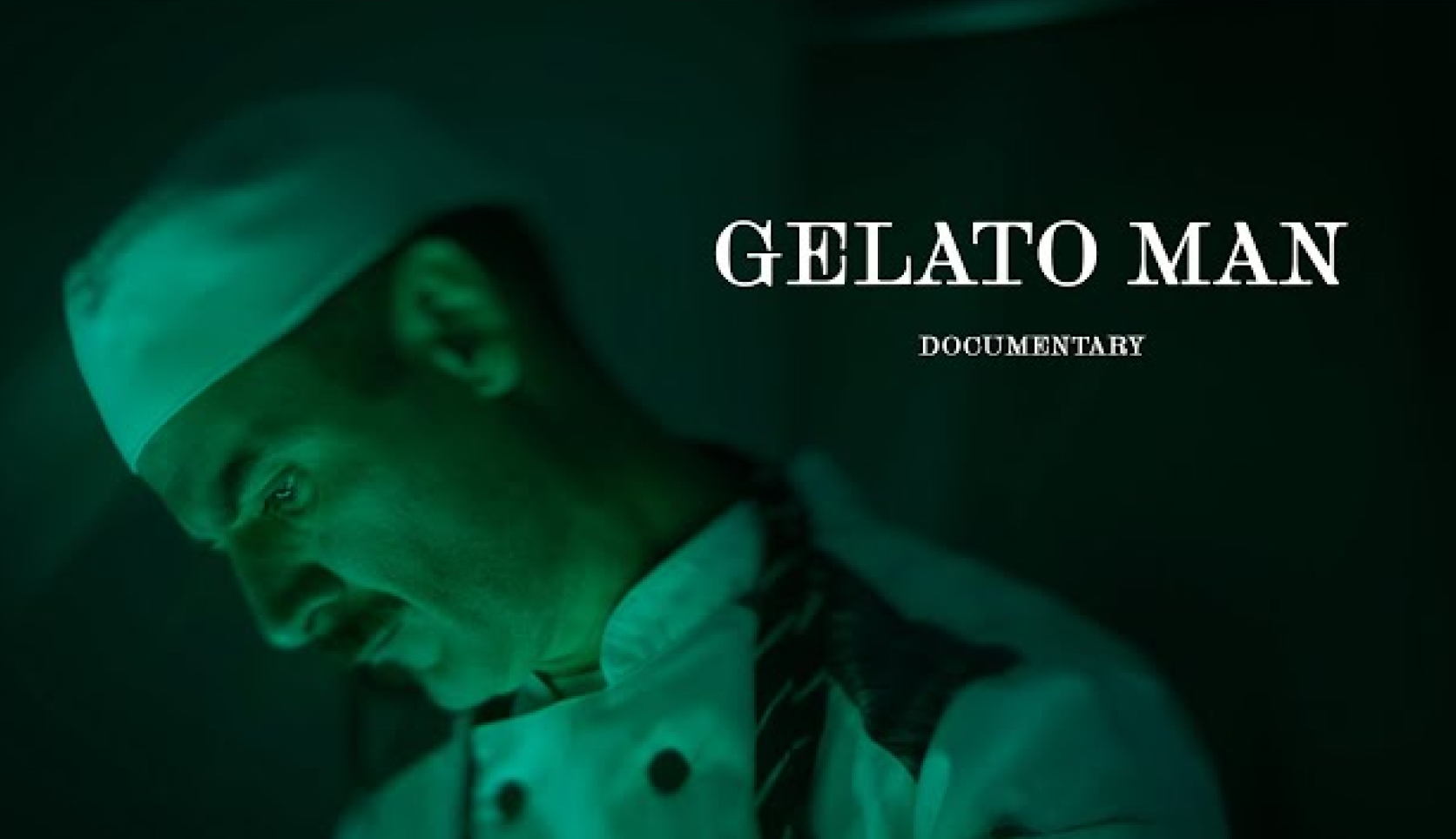
What’s special about botolino artisan gelato
There is a world of difference between most commercially available gelato — often made from pastes, powders, and additives — and true artisan gelato such as Botolino’s, which is made only from whole, carefully sourced ingredients. Artisan gelato is delicate, has a short shelf life, and can only be made properly in small batches.
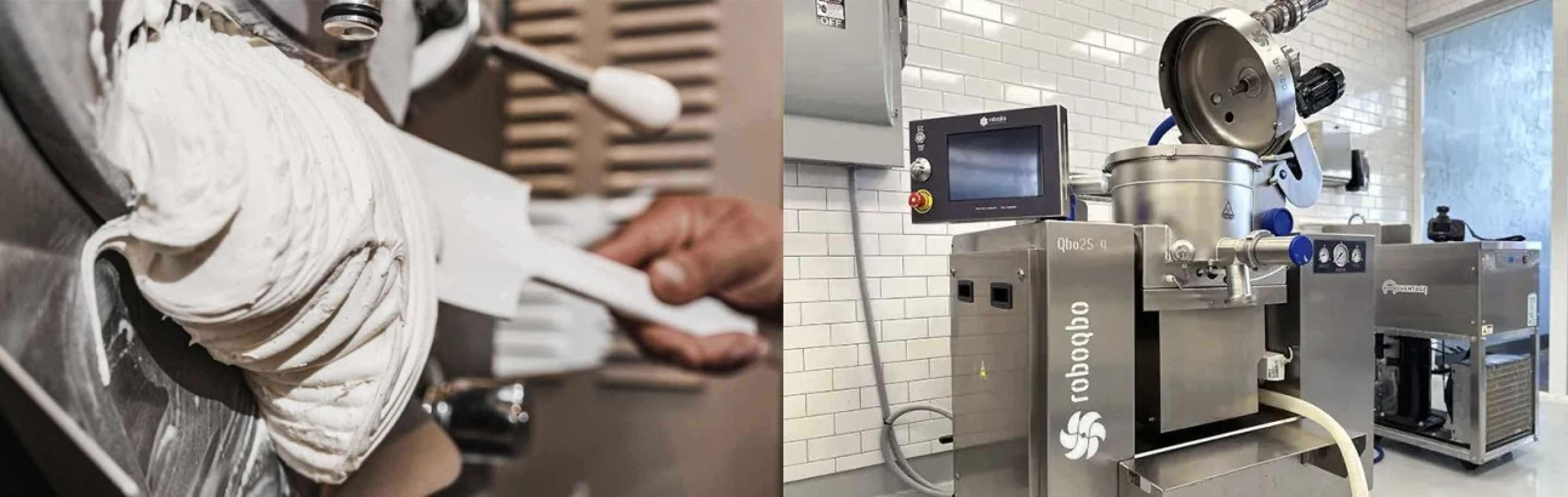
Botolino’s gelati are made from scratch every day, using traditional Italian methods paired with state-of-the-art techniques and equipment.
We source only the finest natural ingredients: fresh milk from Volleman’s Family Dairy, Valrhona’s world-class chocolate, Marullo pistachios from Sicily, Nocciola d’Elite hazelnuts from Piedmont, fragrant Madagascar vanilla beans, and peak-season fruit from Texas growers. Botolino gelati are always entirely free of artificial flavorings, colors, and preservatives.
Gelato and ice cream: what’s the difference?
If you like ice cream, we think you’ll love gelato even more once you understand the difference.
Gelato — which simply means “frozen” in Italian — is made with milk, cream, sugar, and sometimes egg yolks, much like ice cream. But that’s where the similarities end. Gelato contains only about half the fat of ice cream, incorporates about half the air, and is served at a warmer temperature.
That warmer temperature (nearly 15°F higher) has two wonderful effects: it makes gelato softer and more velvety, and it prevents the cold from numbing the taste buds, allowing the flavors to come through more fully.
Gelato is also more flavorful because it has less fat coating the tongue and much less air—air adds volume, not flavor. It also melts more slowly, making for a longer-lasting treat.
And how is sorbetto different from gelato?
Sorbetto is essentially a gelato made without fat. Instead of milk’s butterfat, it contains only water, sugar, and usually fruit. Unlike the icy American sorbet, Italian sorbetto is remarkably creamy and silky — it should be nearly as smooth as gelato made with milk.
Try ours, starting with the dark chocolate if you’re a chocolate lover. You’ll be amazed.